Leveraging the Therapeutic Advantages of Hydrotherapy for Improved Athletic Recovery
Water-based treatment has grown into an essential component of modern athletic rehabilitation because it uses hydro-based methods to support the body’s natural restorative functions. Athletes often deal with post-exercise stiffness, tissue swelling, and joint stiffness after intense training sessions. By applying warm water, cold water, or a blend of both, hydrotherapy helps minimize these effects in a controlled and targeted way. This form of aquatic modality supports circulation, encourages relaxation, and offers a reduced-stress setting for therapeutic movements.
One of the most noted advantages of hydrotherapy is its ability to enhance vascular function. Warm-water immersion can expand blood vessels, which helps deliver oxygen and nutrients to fatigued muscles. Cooling therapy, often applied following demanding workouts, reduces swelling and tissue stress by cooling tissues and moderating inflammation. Many sports recovery systems now implement hot-cold immersion, which alternates between hot and cold water to promote accelerated recovery. These methods make hydrotherapy a flexible option for managing a range of post-exercise conditions.
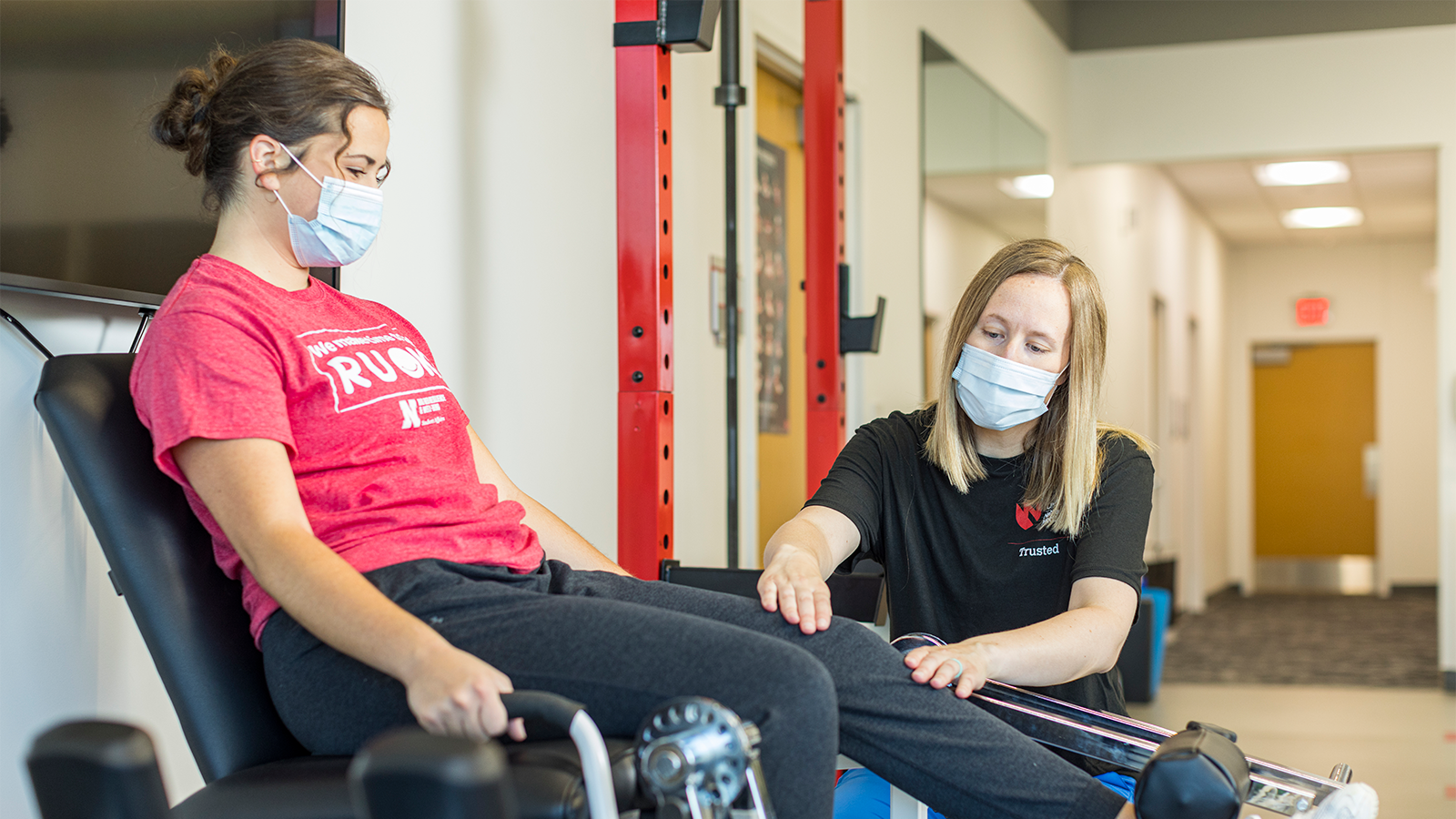
Hydrotherapy is also beneficial for reducing muscle tension and promoting movement. Water’s inherent buoyancy reduces the load on joints, allowing athletes to increase range of motion during recovery activities. This is especially valuable for athletes recovering from injuries such as sprains, strains, or tendon issues. Underwater exercises, including light walking, stretching, and resistance movements, help restore strength without placing additional stress on recovering structures. Because of this, water-based rehabilitation has become a look at more info widely used technique in both rehabilitation clinics and athlete training facilities.
Another significant feature of hydrotherapy is its role in mental restoration. Athletes frequently experience stress from competition, training demands, and physical fatigue. Warm-water therapy can support relaxation by soothing the nervous system, lowering muscle tightness, and promoting a sense of comfort. This can enhance sleep quality, mental clarity, and overall athletic function. When paired with proper hydration, appropriate nutrition, and planned recovery, hydrotherapy holds an important role in maintaining an athlete’s long-term well-being.
Overall, hydrotherapy provides a effective and science-supported approach to athletic recovery. Through temperature-based therapy, water-supported motion, and enhanced vascular response, aquatic therapy helps the body recover more effectively. As sports programs place greater focus on recovery and injury prevention, hydrotherapy continues to be a reliable method for boosting this post performance and assisting individuals during both conditioning and rehabilitation.